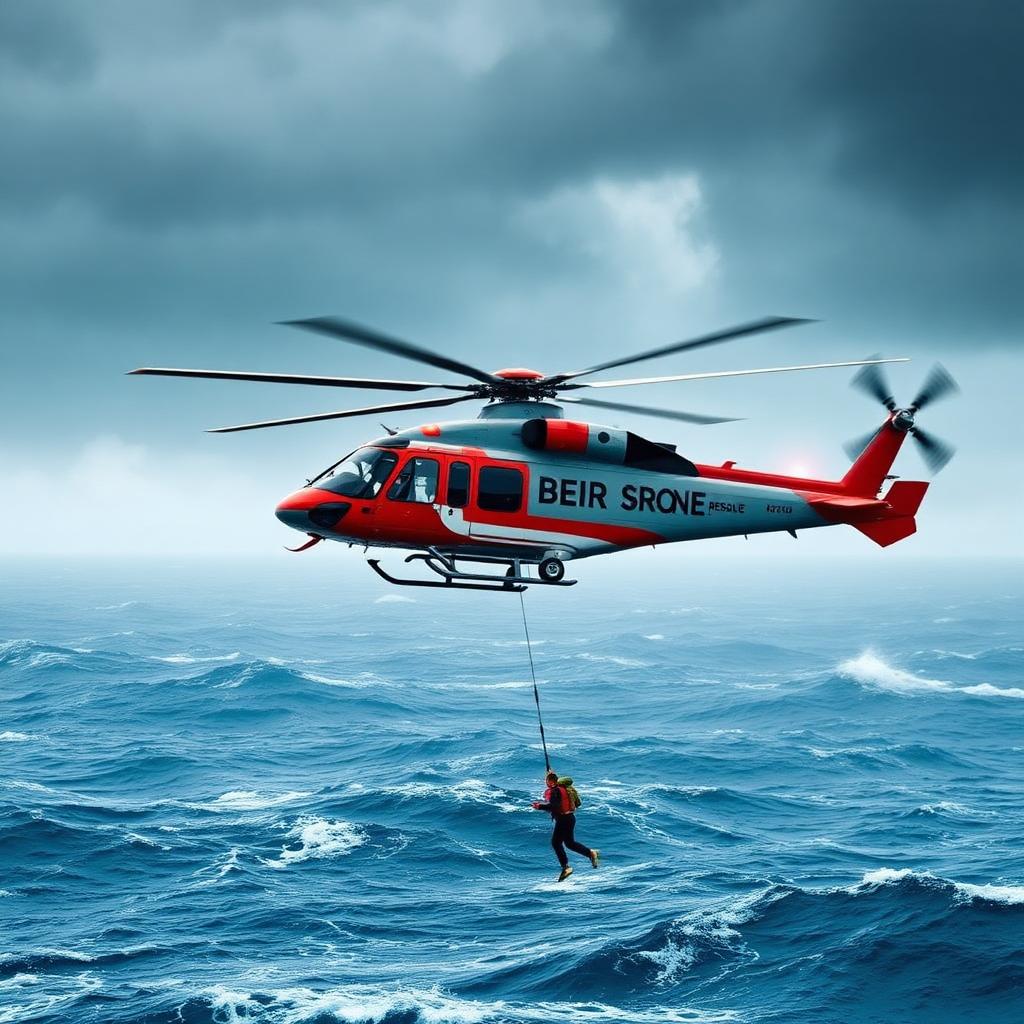
SAR — Search & Rescue
A search-and-rescue (SAR) mission uses a helicopter to find and recover people at sea, in mountains or after a disaster, often with a rescue hoist and night or instrument capability. Civilian SAR capacity is bought by government agencies, offshore and maritime companies, event organisers and NGOs, usually as a standby contract rather than a single flight. SkyMatch, an independent broker, structures the requirement and takes it to licensed operators; the operator must hold the SAR and hoist approvals and confirms the aircraft, crew and standby terms. In an emergency, contact the official rescue services.
Comparing aircraft for this mission? See the helicopter guide for categories, cabin and payload trade-offs. Equipment and approvals are confirmed by the operator.
Typical use cases
- Offshore and maritime standby for vessels and platforms
- Mountain and remote-area rescue support
- Disaster-response and large-event standby for agencies and NGOs
Compliance & crew
The operator must hold the approvals for SAR or hoist operations in the country, with crews current on hoist, night and instrument procedures where the mission needs them, and insurance to the client's requirements.
Before you request a SAR mission
Who usually buys it
- Government and coastguard-type agencies
- Offshore energy and maritime companies
- NGOs and large event organisers
What the operator must hold or confirm
- SAR and hoist approvals for the area of operation
- Crew roster, currency and rotation
- Standby base and the response terms in its contract
- Insurance to the client's requirements
How it differs from other missions
Unlike HEMS, SAR includes searching for and recovering people from places with no landing site, often by hoist. Unlike a passenger charter, it is usually contracted as standby over a period.
What it depends on
- A defined area of operation and a standby base
- Coordination with the official rescue authority
- Weather, sea state and the day or night approvals held
Limitations
- Not a substitute for the official rescue services
- Response terms are set in the operator's contract, not by SkyMatch
- Hoist and night operations need specific approvals that not every operator holds
What to include in your request
- Location(s): departure point, work site or landing area, with an address or map pin
- Dates or time window, and how flexible they are
- Aircraft category if you already know it (light single, light or medium twin, heavy)
- People and payload: number of people, weights, and size of any equipment or load
- Equipment you require for the mission, as specified by your team
- Approvals or permits you need, or already hold, for the site or the work
- Safety, insurance and document requirements you want the operator to meet
- Who approves the request and how to reach them
Read the search and rescue helicopter guide, build the brief in the mission planner, or send a request. Company missions can follow the business mission request checklist.


Frequently asked questions
Can SkyMatch dispatch a rescue helicopter in an emergency?+
No. In an emergency, contact the official rescue services. SkyMatch arranges planned SAR standby or support contracts with licensed operators.
Can standby be arranged for a period?+
Yes, a standby period can be requested. The operator sets the crew rotation, base and response terms in its contract.
Are night and instrument operations possible?+
Only where the operator holds the approvals and the crew are current for them; the operator confirms this for the mission.
Ready to launch a SAR mission?
Share the brief: SkyMatch structures it and takes it to licensed operators, who confirm the aircraft, approvals, price and availability.
Prepared by the SkyMatch editorial team · How we source and review · Method
Share this article