
Heavy Lift & Sling Load
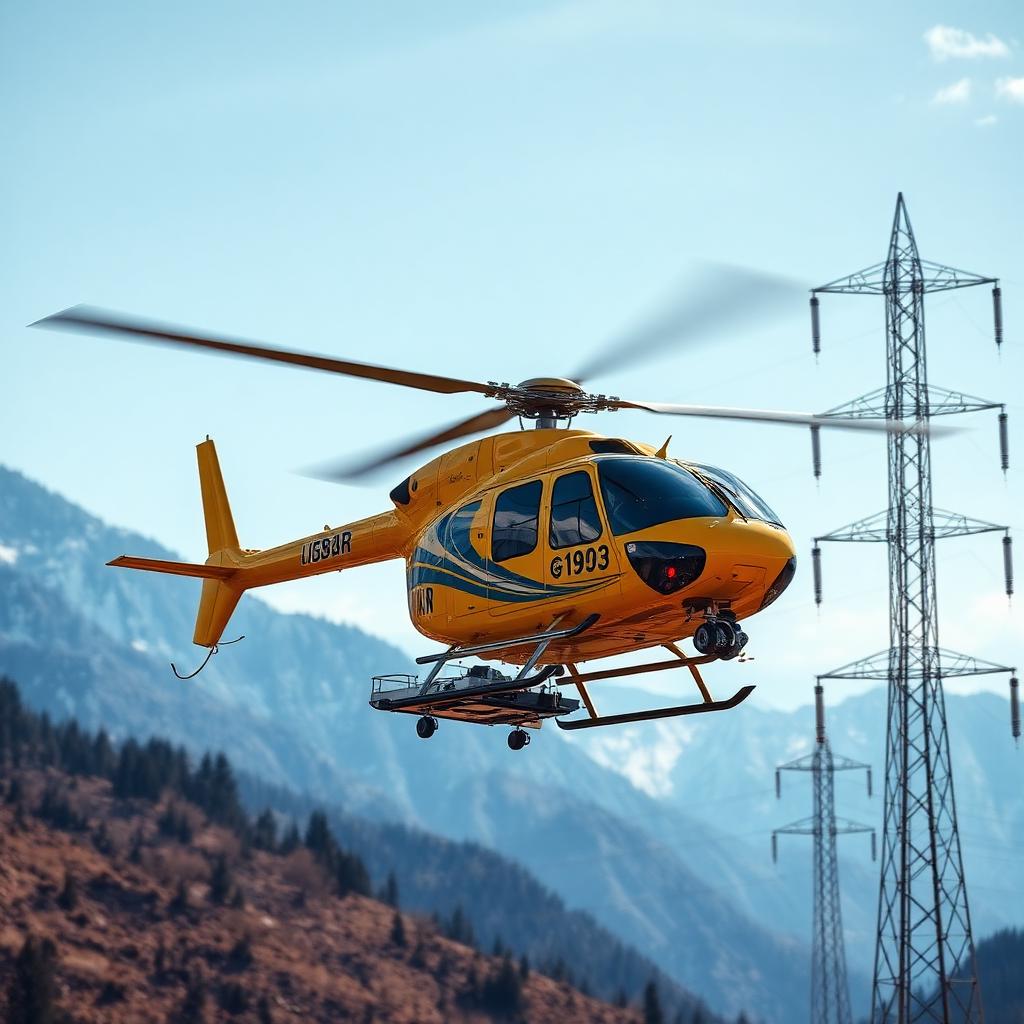
A heavy-lift or sling-load mission uses a helicopter to carry a load below the aircraft on a hook or long line: placing rooftop equipment, building towers, stringing lines or supplying remote sites. It is bought by contractors, utilities, telecom and energy companies. SkyMatch, an independent broker, takes the lift plan to licensed operators; the operator must hold the external-load approval and confirms the aircraft, the lift capacity for the actual conditions, rigging and ground crew.
Comparing aircraft for this mission? See the helicopter guide for categories, cabin and payload trade-offs. Equipment and approvals are confirmed by the operator.
Typical use cases
- Rooftop equipment and antenna placement
- Tower, mast and wind-turbine component lifts in hard-to-reach terrain
- Line stringing and remote-site supply
Compliance & crew
The operator must hold the external-load approval, with rigging checked and a lift plan agreed with the site. Lifts over roads, buildings or people need further permits.
Before you request a Heavy Lift mission
Who usually buys it
- Construction and engineering contractors
- Utilities and telecom companies
- Energy and remote-site project companies
What the operator must hold or confirm
- External-load approval and lift capacity for the weight, altitude and temperature
- Rigging and ground-crew requirements
- Site and airspace permits for the lift
- Weather window and mobilisation
How it differs from other missions
Unlike passenger or remote-access flights, the load travels outside the aircraft, and the lift capacity depends on weight, altitude and temperature on the day.
What it depends on
- Exact load weights and dimensions
- A cleared lift area and set-down area
- Permits for lifts over roads, buildings or people
Limitations
- Lift capacity drops with heat and altitude
- Lifts over populated areas need permits and may require closures
- Mobilisation depends on where suitable aircraft are based
What to include in your request
- Location(s): departure point, work site or landing area, with an address or map pin
- Dates or time window, and how flexible they are
- Aircraft category if you already know it (light single, light or medium twin, heavy)
- People and payload: number of people, weights, and size of any equipment or load
- Equipment you require for the mission, as specified by your team
- Approvals or permits you need, or already hold, for the site or the work
- Safety, insurance and document requirements you want the operator to meet
- Who approves the request and how to reach them
Read the helicopter external-load guide, build the brief in the mission planner, or send a request. Company missions can follow the business mission request checklist.

Frequently asked questions
How heavy a load can be lifted?+
It depends on the aircraft, the altitude, the temperature and the distance. Send exact weights and dimensions; the operator confirms what can be lifted in your conditions.
How long does mobilisation take?+
It depends on where suitable aircraft are based and on the permits needed. The operator gives the lead time when it quotes.
Who provides rigging and ground crew?+
The operator confirms its rigging and ground-crew requirements; site safety and access remain the client's responsibility.
Ready to launch a Heavy Lift mission?
Share the brief: SkyMatch structures it and takes it to licensed operators, who confirm the aircraft, approvals, price and availability.
Prepared by the SkyMatch editorial team · How we source and review · Method
Share this article