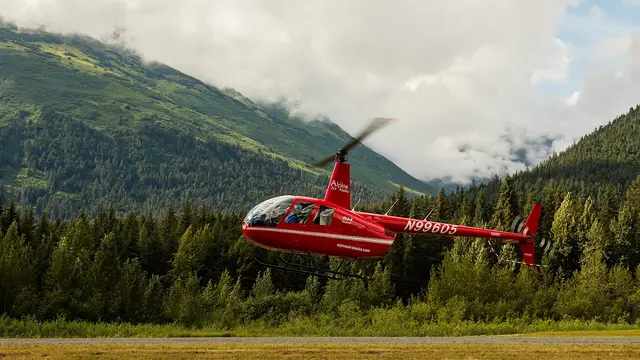
Light piston single
Robinson R44 Raven II
Short scenic and photo flights.
- Passengers
- up to 3*
- Cruise
- 110 kt
- Max range
- 300 nm
*About 2 with luggage. Soft bags only.
Photo: Diego Delso, CC BY-SA 4.0
Helicopter guide · Find your helicopter
An educational guide to helicopter categories and representative models: who they suit, how many people and bags they really take, and their limits. Choose by passengers and luggage first, then by distance and landing sites. SkyMatch is an independent broker, not an operator — the selected operator confirms availability, aircraft, price, route, weight, landing and weather for every flight.
Price is quoted for the specific mission; request a quote.
Four size bands used throughout our planning tools. Seat counts are indicative; the specific aircraft and the day's conditions decide.
Single-engine light helicopters
Small piston or turbine helicopters for short hops, scenic flights and light-travelling groups of up to about four.
Plan for about 2–5 passengers with luggage in the examples below.
Light twin-engine helicopters
Twin-engine helicopters for city, airport, coastal and executive flights, usually seating about five or six.
Plan for about 4–5 passengers with luggage in the examples below.
Medium twin-engine helicopters
Larger twins with roomier cabins for VIP groups with luggage, longer transfers and specialist roles.
Plan for about 6 passengers with luggage in the examples below.
Large twin-engine and VIP helicopters
Intermediate and larger twins with the biggest cabins, for long VIP transfers, large groups and special missions.
Plan for about 6–8 passengers with luggage in the examples below.
Utility, offshore and medical: Offshore, utility and medical flights use specially equipped aircraft flown under the operator's own approvals. A type appearing here does not mean any given aircraft is equipped or approved for that work; SkyMatch forwards these requests only to operators who confirm they are qualified.
Small piston or turbine helicopters for short hops, scenic flights and light-travelling groups of up to about four.
Compact cabins. Most take soft bags only; a few have a hold for small cases.
Heat, altitude and wind reduce what a single can lift. Many are flown in daylight and good weather only.
With full fuel, passenger and bag weight is tight; a lighter fuel load can mean a fuel stop on longer legs.
Small landing sites can be considered, but every site still needs the owner's and authority's permission.
Light piston single
Short scenic and photo flights.
*About 2 with luggage. Soft bags only.
Photo: Diego Delso, CC BY-SA 4.0
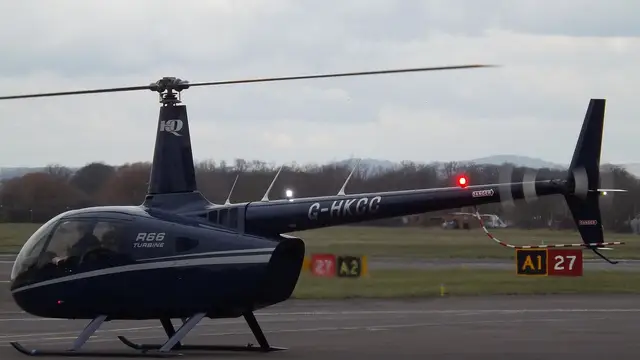
Light turbine single
Light turbine for small groups and short transfers.
*About 3 with luggage. Soft bags and a few small cases.
Photo: James from Cheltenham, Gloucestershire, CC BY-SA 2.0
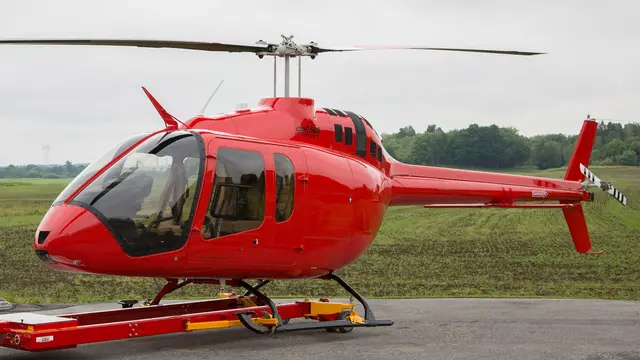
Short light single (turbine)
Modern light single for short hops.
*About 3 with luggage. Soft bags only.
Photo: Mpcaissy, CC BY-SA 4.0
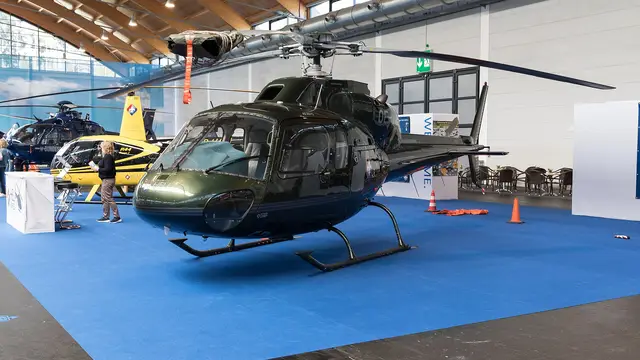
Light single (turbine)
Light single for mountain and hot-and-high work.
*About 4 with luggage. Soft bags only.
Photo: Matti Blume, CC BY-SA 4.0
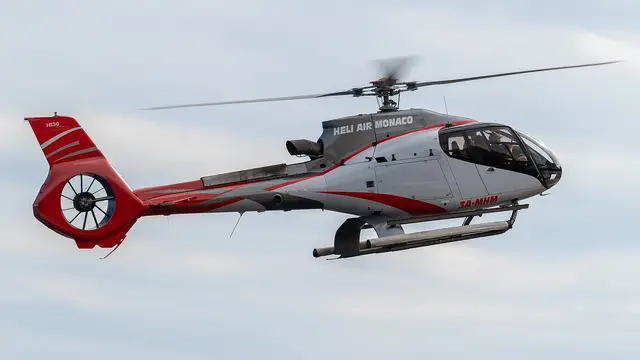
Intermediate single (turbine)
Wide-cabin single for sightseeing and resort transfers.
*About 5 with luggage. Soft bags and a few small cases.
Photo: Hugo LUC, CC BY-SA 4.0
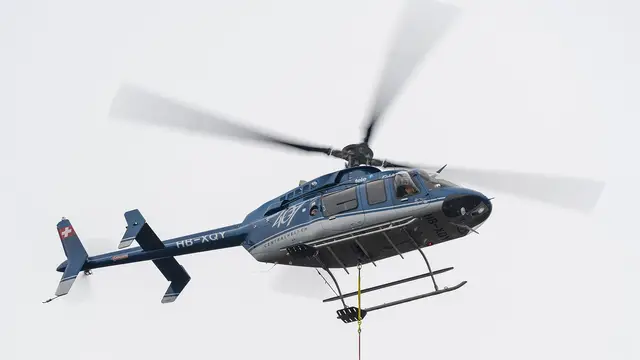
Light single (turbine)
Proven single for shuttles and utility work.
*About 4 with luggage. Soft bags and a few small cases.
Photo: Chme82, CC BY-SA 4.0
Twin-engine helicopters for city, airport, coastal and executive flights, usually seating about five or six.
Club or forward-facing seating; executive interiors are common. Luggage space is moderate.
Instrument flight is aircraft- and operator-specific. Weather, crew and local rules still decide each flight.
Comfortable for small groups; full cabins with many suitcases may need a larger type.
Many city heliports are built for twins, but each site has its own size, weight and noise rules.
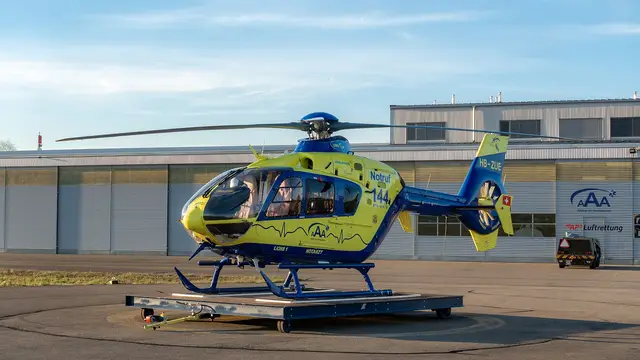
Light twin
Compact light twin for city and airport flights.
*About 4 with luggage. Soft bags and a few small cases.
Photo: Chme82, CC BY-SA 4.0
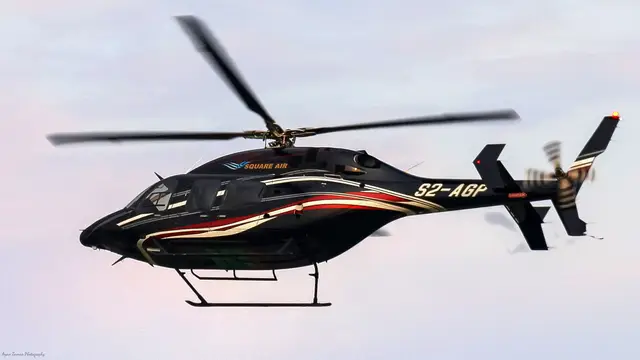
Light twin
Light twin for corporate and IFR flights.
*About 5 with luggage. Soft bags and a few small cases.
Photo: Md Shaifuzzaman Ayon, CC BY-SA 4.0
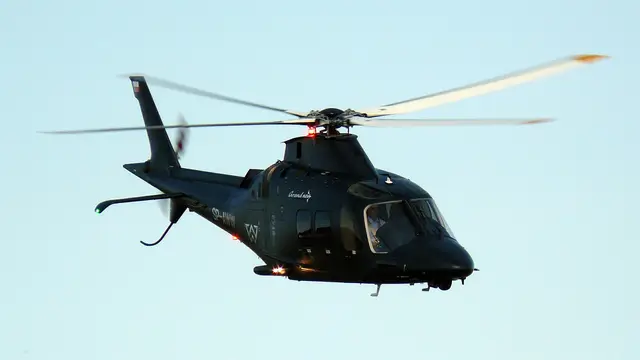
Light twin
Fast executive twin for VIP city pairs.
*About 5 with luggage. Several suitcases.
Photo: Zalasem1, CC BY-SA 4.0
Larger twins with roomier cabins for VIP groups with luggage, longer transfers and specialist roles.
Up to about ten seats in high-density layouts; VIP layouts seat fewer, with more room for bags.
Equipment and approvals (night, instrument, offshore) belong to the specific aircraft and operator.
More usable payload, but fuel for a long leg still competes with bags and passengers.
Some rooftop and private pads cannot accept their size or weight; the operator checks each site.
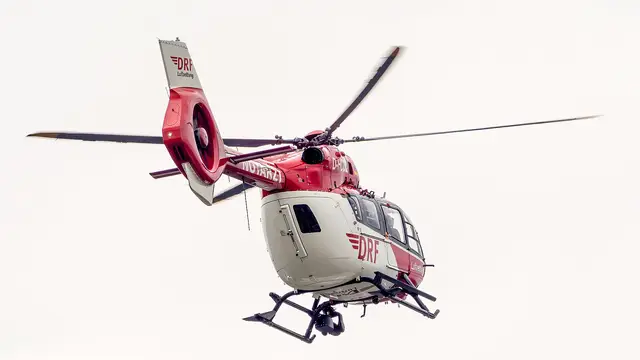
Light-medium twin
Light-medium twin for executive and group transfers.
*About 6 with luggage. Several suitcases.
Photo: Reinhold Möller Ermell, CC BY-SA 4.0
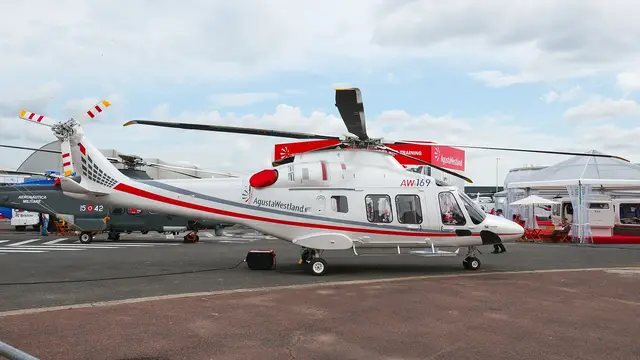
Light-intermediate twin
Modern light-intermediate twin with a large cabin.
*About 6 with luggage. Large hold for full-size suitcases.
Photo: Julian Herzog, CC BY 4.0
Intermediate and larger twins with the biggest cabins, for long VIP transfers, large groups and special missions.
The largest cabins in this guide; VIP layouts usually seat six to eight with a large baggage hold.
Landing sites, airspace and crew requirements are checked flight by flight by the operator.
Strongest payload in this guide, still limited by fuel, temperature and the landing site.
Usually airports, larger heliports and prepared sites. Private gardens and small pads rarely qualify.
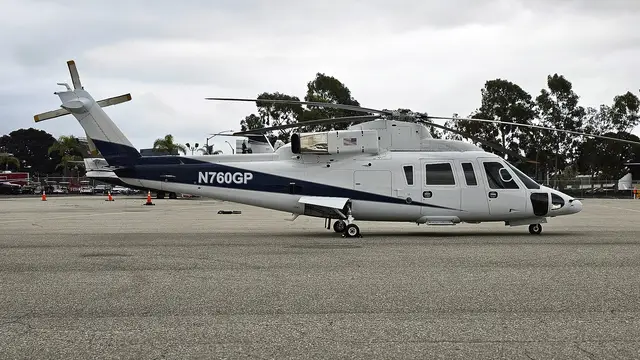
Medium twin
Medium twin for VIP and offshore work.
*About 6 with luggage. Several suitcases.
Photo: Don Ramey Logan, CC BY 4.0
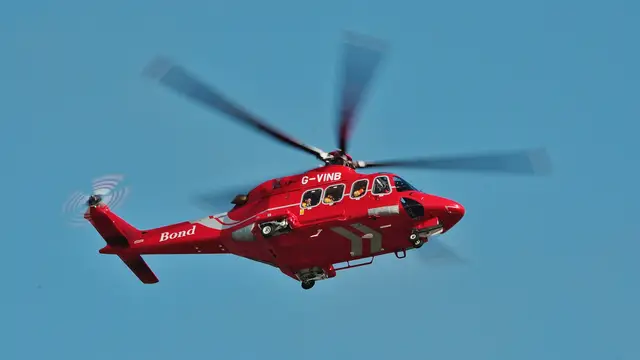
Intermediate twin
Intermediate twin for long VIP transfers and groups.
*About 8 with luggage. Large hold for full-size suitcases.
Photo: Ronnie Robertson, CC BY-SA 2.0
Larger types such as the Airbus H175, Leonardo AW189 or Sikorsky S-92 also exist in some markets; they are not yet in this guide because we have not re-checked their figures.
Manufacturer figures: maximum seats, cruise speed, range and endurance for a standard configuration, usually with no fuel reserve.
Usable seats, payload, baggage, range and equipment vary by the specific aircraft, interior, fuel, temperature, altitude and route, and by the operator's and pilot's decision. Final suitability and every operating decision are confirmed by the licensed operator before booking.
Filters, a side-by-side comparison and a short questionnaire load here. You can also send your trip details and we'll suggest suitable categories.
Manufacturer-published figures: maximum passenger seats, cruise speed and maximum range with no fuel reserve. “With luggage” is a conservative planning figure for transfers. Each model page shows its source and the date it was checked.
Usable seats, payload, baggage, range and equipment vary by the specific aircraft, interior, fuel, temperature, altitude and route, and by the operator's and pilot's decision. Final suitability and every operating decision are confirmed by the licensed operator before booking.
Start with passengers and luggage, then distance, landing sites and whether two engines are preferred or required. Light singles suit short hops with soft bags; twins suit city, airport, over-water and executive flights; medium and large twins suit groups with suitcases and longer legs. The selected operator confirms the actual aircraft.
No. Manufacturers publish maximum seats for a standard layout. Usable seats depend on the specific aircraft's interior, fuel, temperature, altitude and the weight of passengers and bags. The operator confirms the final number before booking.
Helicopters are limited by weight and hold shape, not only by seats. Full-size suitcases often do not fit light singles at all, and on longer legs fuel competes with bags. Tell us the number, size and weight of bags so the operator can check.
No. SkyMatch is an independent charter broker and concierge. The types shown are examples to help you plan; availability, aircraft, route, weight, landing and weather are confirmed by a licensed operator.
You can state a preferred type in your request. We check suitable independent operators; if that type is not available or not right for the route, we explain comparable options and their trade-offs before you decide.
Prices, availability, safety guarantees and landing permissions. Charter cost is quoted for the specific mission, and every landing site needs permission from its owner and the relevant authority.
The aircraft type is one of the biggest factors in a charter quote. Each model page sets out passengers, luggage, cruise speed, published range and what else affects the price, so you can compare options before you request a quote.
Share this guide