SkyMatch Group · Business journeys
Helicopter access for remote energy sites
Remote energy-site helicopter access requires a mission brief, not simply a project name. SkyMatch Group is a charter broker and coordinator matching personnel-transfer requests to independent operators. Passenger access, equipment carriage and specialised aerial work need their own suitability and permission reviews before any flight is confirmed.
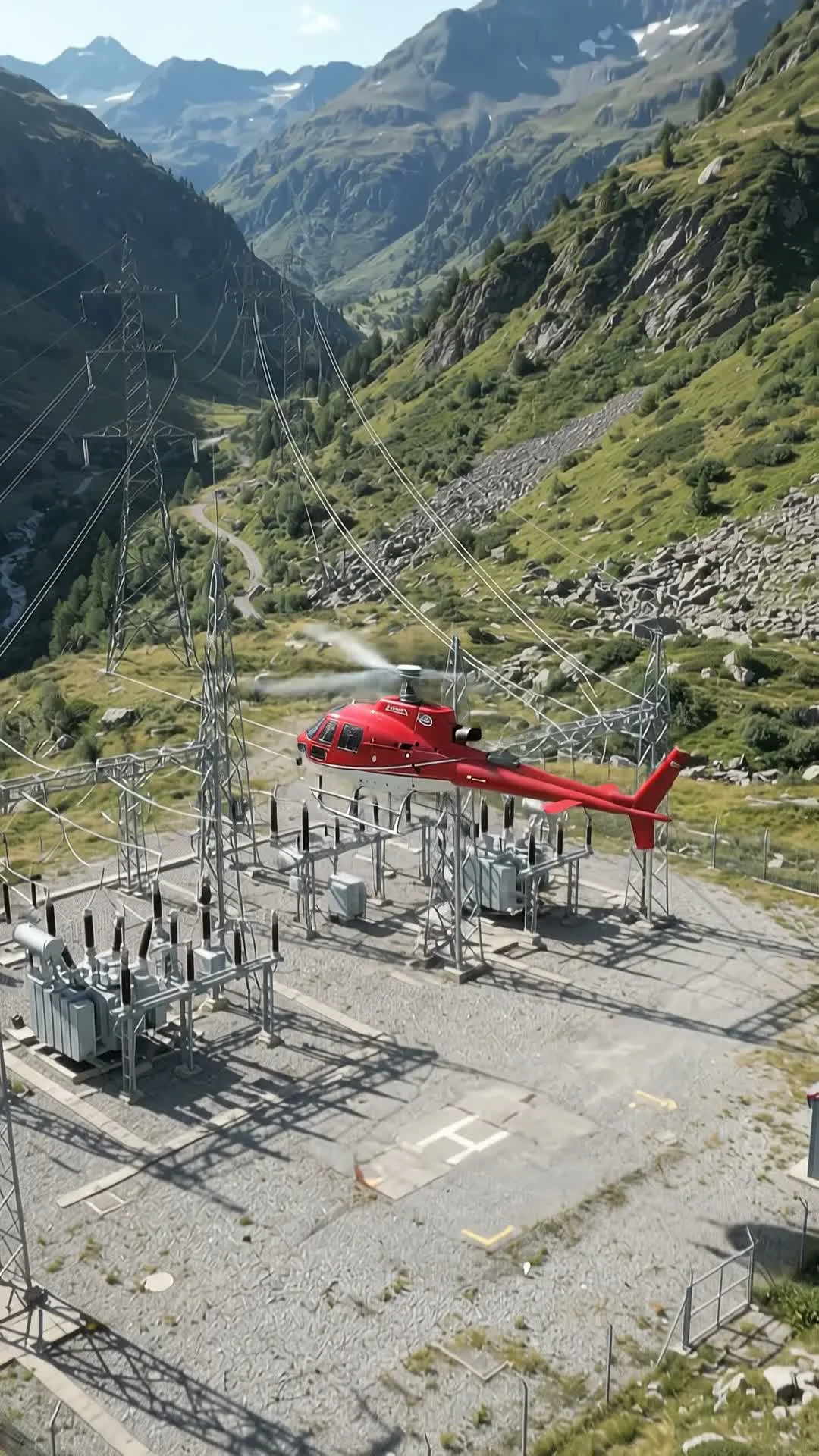
AI-generated illustration from the social video; not a confirmed aircraft or landing location.
Define the visit, not just the sector
Identify whether this is an engineering visit, inspection or personnel transfer. Give the exact site coordinates, required arrival window and ground time. An ordinary passenger visit and a specialised aerial task need different reviews; do not treat access approval as permission to perform work from the aircraft.
Describe every item travelling
Provide equipment weights, dimensions and packaging, as well as passenger and baggage details. Flag batteries, liquids or other items needing specific carriage review. Calling an item light equipment does not establish that it can travel in the proposed helicopter.
Review the site and alternatives
Share the site contact and any known landing area, access conditions or restrictions through the existing request process. Suitability, permissions and operating limits are checked before confirmation. The licensed operator decides the flight conditions; weather may require a different window or an alternative plan.
Keep personnel access distinct from aerial work
Flying engineers to a site for a ground inspection is different from surveying a corridor from the air, moving an external load or working near infrastructure. State what the people will do after arrival and whether any task is expected during the flight. Do not describe a passenger transfer as permission to undertake specialised work. The site team should identify the responsible contact and explain known obstacles, restricted areas and access arrangements. SkyMatch coordinates the request; the selected operator determines whether the proposed aircraft and operation are suitable. A general access enquiry does not establish offshore, lifting or emergency-response capability.
Make equipment review part of the visit plan
Prepare an item list with weights, dimensions, packaging and contents before requesting an aircraft. Separate personal baggage from tools and project equipment so the proposed carriage assumptions are clear. Flag batteries, chemicals, pressurised containers or other items requiring specific assessment without assuming that small quantities are acceptable. Ask how an item that cannot travel would reach the site and whether that changes the purpose or timing of the visit. Personnel count, positioning, time on site, landing arrangements and mission-specific carriage requirements influence the written quote. The equipment planning tool organises a brief; it does not approve cargo or certify a flight.
What to include in your request
- Location
- Site coordinates and departure point, not only a project name.
- Task
- Purpose of the visit, dates and expected time on site.
- People and kit
- Crew count, baggage, equipment weights and dimensions.
- Site access
- Known landing area, access restrictions and timing flexibility.
Prefer to prepare it first? Fill in the trip planner and printable request brief and share it with your team.
Each journey is reviewed and quoted individually. Aircraft suitability, landing access, weather and final terms must be confirmed before booking. Flight-time estimates are not a guaranteed schedule.
From the SkyMatch blog
Remote energy access: further reading
Charter tips
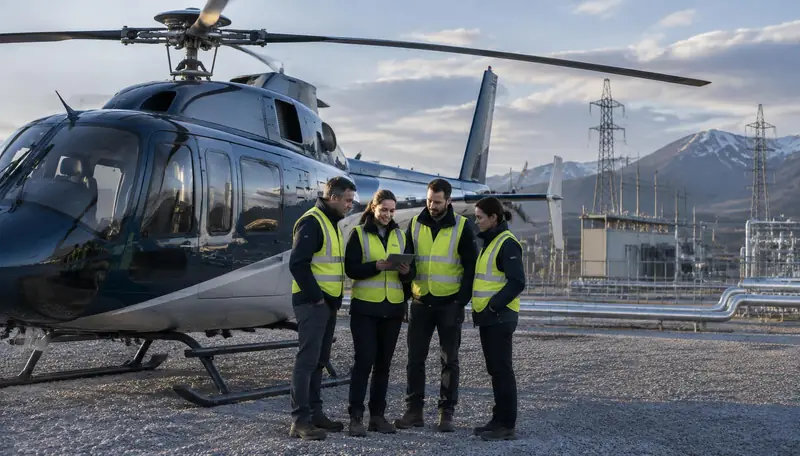
Corporate helicopter logistics for remote projects
Build a remote-project brief around the task, team, equipment and access constraints rather than a generic flight request.
Read article
Destinations
Helicopter charter in Brazil: a practical travel guide
Read Brazil-specific travel planning before adding a personnel visit to a regional project itinerary.
Read article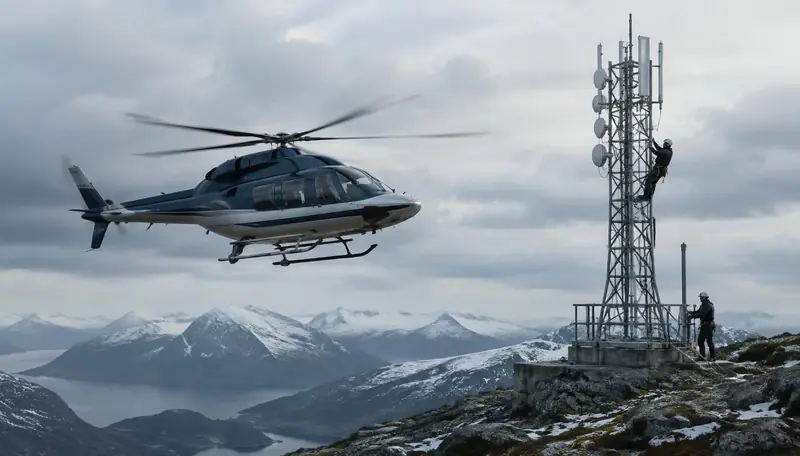
Trip planning
Planning helicopter access to remote infrastructure
Review remote-infrastructure access, equipment descriptions and mission feasibility; specialised work needs separate assessment.
Read articleYour questions, answered
What information is needed for a remote-site flight?
Exact departure and site locations, date and time window, purpose, personnel count, baggage and equipment weights and dimensions, and any known site restrictions.
Does site ownership establish landing permission?
No. Landowner consent may be one requirement, but site suitability, local rules and the operator's flight assessment still need review.
Can the helicopter carry our equipment?
Only after aircraft and carriage suitability are confirmed for the item weights, dimensions and contents. Specialised cargo or aerial work needs a separate mission review.
Does an access flight include lifting or aerial inspection work?
No such capability is implied. Describe the task separately if it involves work from the aircraft or external-load carriage. A personnel-transfer request does not establish aircraft suitability, operator approvals or permission for a specialised mission.
Is a payload-calculator result a cargo approval?
No. A planning result helps organise weights and dimensions. The selected operator must review the actual items, contents, packaging and aircraft limitations before confirming carriage; hazardous or unusual items may need additional assessment or a different transport arrangement.